Manufacturing environments are complex, high-value operations where uptime, safety, and efficiency are everything. But many facilities are still relying on outdated or disconnected security systems that were never designed for today’s realities.
From blind spots on the production floor to delayed incident response, these gaps create real risk—not just for assets, but for people and operations.
The good news? Modern security doesn’t have to mean disruption.
Download Our Full Expansive Manufacturing Security System Modernization Guide >
The Hidden Cost of Outdated Security
Many manufacturers don’t realize how much outdated security is costing them until something goes wrong. Modern security systems are designed to support the flow of manufacturing, not disrupt it.
Outdated vs. modern manufacturing security systems
|
Area |
Outdated security |
Modern security |
|
Visibility |
Low-resolution cameras, grainy images, blind spots, siloed views |
High-definition (HD) video with full-facility and perimeter coverage |
|
Incident response |
Manual monitoring and delayed awareness and response |
Real-time alerts, AI-powered detection, faster response |
|
Safety and compliance |
Limited insight into unsafe conditions or access violations |
Integrate video, access control, and sensors for proactive safety monitoring |
|
Investigations |
Time-consuming reviews with incomplete or poor-quality data |
Clear video, synchronized access control logs, and searchable events |
|
Operational impact |
Frequent disruptions, false alarms, and reactive workflows |
Reliable security supports production flow without slowing operations |
|
Productivity |
Staff pulled away from core tasks to manage issues manually |
Automation reduces labor burden and improves efficiency |
|
IT & operations load |
Disconnected systems that require constant attention |
Centralized management that’s easier to maintain and scale |
|
Scalability |
Difficult and costly to expand or update |
Designed to grow with facilities, teams, and automation |
|
Business risk |
Higher exposure to theft, safety incidents, and downtime |
Reduced risk through proactive, integrated protection |
In fact:
- Physical security incidents can cost manufacturers $260,000 per hour in downtime*
- 60% of companies experienced a physical security breach in the last year
- 26% of failures are caused by insider threats
Modern systems are built to eliminate these risks—while supporting production, not slowing it down.
* Source: https://zipdo.co/physical-security-statistics/
What Modern Manufacturing Security Looks Like
Today’s manufacturing security solutions are smarter, more connected, and easier to manage. Instead of standalone
tools, they create an integrated ecosystem designed for real operational visibility.
Video Surveillance (AI-Powered)
Modern video surveillance uses high-resolution cameras placed throughout indoor and outdoor areas to ensure comprehensive coverage, from production floors to perimeter fencing. These HD cameras deliver clear imagery in various lighting conditions and are the foundation for effective monitoring and documentation.
Explore Video Security & Analytics
Access Control Systems
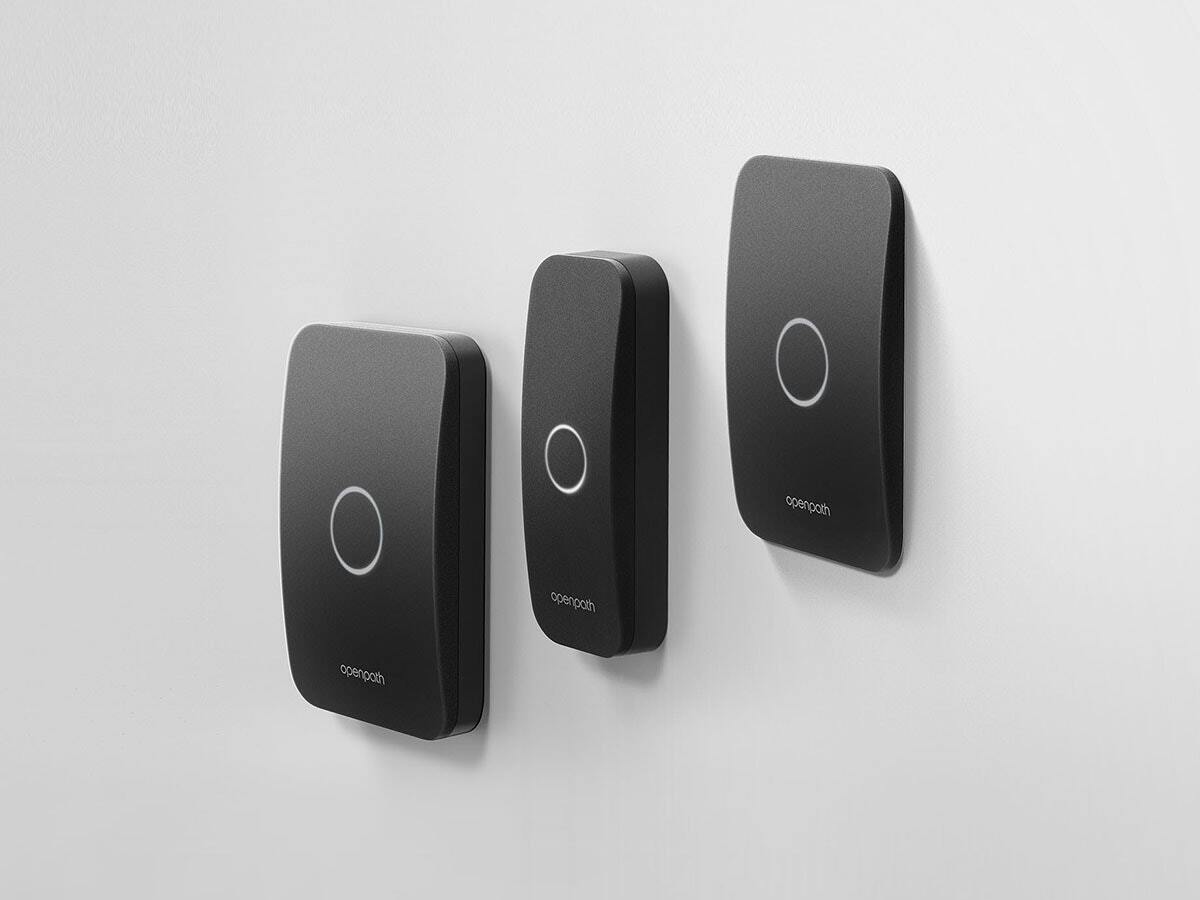
Manage who can enter buildings, secure areas, machine zones, and yards. When tied into video security, these systems provide synchronized logs and event-based video that give context to every badge swipe or denied entry.
Explore Access Control Solutions
Environmental & Safety Sensors
In addition to cameras, modern security incorporates sensors for environmental and safety monitoring (e.g., motion, air quality, vaping, and chemicals). These sensors also help detect issues like unauthorized entry, equipment tampering, or unsafe conditions that video alone might miss.
Explore Safety & Detection Solutions
Two-Way Radios & Communication
Reliable internal communication is critical during a crisis, security breach, man-down, or safety incident on a manufacturing floor. Two-way radios provide instant, push-to-talk communication that doesn’t depend on cellular networks or Wi-Fi. Features like emergency alert buttons and dedicated talk groups help personnel broadcast urgent messages facility-wide or to specific teams. In noisy, expansive, or signal-challenged environments like manufacturing plants, radios with multiple headphone options provide reliable, clear communication.
Explore Two-Way Radio Solutions
License Plate Recognition (LPR)
License Plate Recognition (LPR) systems capture and interpret vehicle plate data at gate entrances and parking areas. LPR enhances perimeter security by identifying known or unauthorized vehicles, logging entries and exits automatically, and integrating vehicle data with broader security systems.
Explore License Plate Recognition
Fleet & Asset Tracking
Manufacturing operations often include fleets (e.g., cargo trucks, delivery vans). Video and access control help secure loading docks, terminals, and entries. Rugged in-vehicle computers and radios with GPS tracking ensure reliable communication and provide location context for mobile assets.
Explore Fleet Communication & Tracking
Centralized Security Management
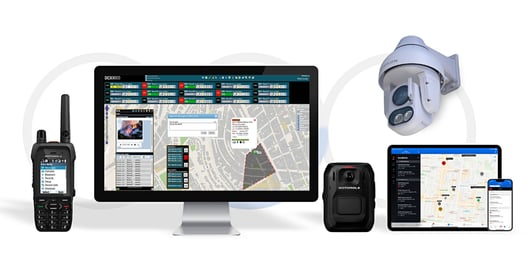
Advanced security platforms feature cloud-enabled and mobile-friendly command centers so personnel can view and manage video, access, and alarm systems from a single interface from anywhere, regardless of facility size or geographic distribution. This capability is crucial for distributed sites or facilities with lean security teams.
Explore Command Center Solutions
what is an integrated security ecosystem?
An integrated security ecosystem is a comprehensive and interconnected framework of technologies and processes that work together to protect property and people.
A modern security system works like a well-designed manufacturing operation. Just as production lines, equipment, and ERP systems are integrated to keep materials, data, and people moving efficiently, video, access control, sensors, and two-way radios deliver the best results when they operate as one coordinated ecosystem — not as disconnected tools.
Benefits of security system integration
One interface instead of multiple logins
Security teams manage video, access, sensors, and communications from a single command center, reducing complexity and wasted time.
Faster incident response
Integrated alerts and shared data give teams immediate context, helping them act quickly and decisively.
Better insight into patterns and trends
Connected systems reveal recurring issues, traffic patterns, and risk areas that siloed tools can’t easily show.
Easier training for staff
A unified system shortens learning curves and makes it easier for teams to adopt and use security tools correctly.
Lower long-term maintenance costs
Fewer systems to support means reduced hardware, licensing, and administrative overhead over time.
Single point of contact
Because BAYCOM helps design and deploy the entire ecosystem, you’ll only have to work with a single partner rather than multiple vendors.
DISCONNECTED SYSTEMS CREATE FRICTION.
INTEGRATED SYSTEMS CREATE CLARITY.
A Real-World Example: Security in Action
An unauthorized individual attempts to access or enters a restricted area of a manufacturing facility, and the integrated security ecosystem springs into action:
- AI detects suspicious behavior
- Alerts trigger instantly
- Security teams receive live video context
- Access points can be locked down
- Teams are notified via radios and mobile devices
- Law enforcement can receive live video if needed
By leveraging a unified security ecosystem, manufacturers gain the visibility and control needed to quickly detect, respond to, and resolve potential risks without disrupting their operations.
security Modernization Without Overloading IT
One of the biggest concerns manufacturers hear when evaluating security upgrades is: “Who’s going to manage this?”
With lean IT teams already balancing network integrity, operational technology (OT) systems, compliance requirements, and constantly evolving threats, the idea of adding another system can feel overwhelming. 
By leveraging cloud-managed platforms, simplified interfaces, and automated support tools, manufacturers can strengthen security while freeing IT to focus on higher-value innovation and critical operations.
-
Cloud-managed platforms with simple interfaces: Centralized dashboards make it easier to view, control, and update security systems across one or multiple facilities without VPNs or on-site servers. Shifting core services to the cloud minimizes hardware upkeep and reduces patching, backup, and lifecycle management tasks.
-
Automatic updates and health monitoring: Firmware, analytics models, and security updates are delivered automatically, lowering the risk of outdated systems and freeing IT from manual maintenance cycles.
- Remote troubleshooting and support: Vendor support tools can help diagnose and resolve issues without dispatching technicians to remote sites — a major time-saver for geographically distributed operations
- Scalable designs that grow with your operation: Adding cameras, access points, or new facility coverage can be done without major infrastructure overhauls, avoiding expensive and disruptive upgrades.
Today’s integrated security solutions are designed specifically to reduce IT burden. When systems are properly designed and integrated, your team spends less time managing security and more time running the business.
Upgrade or Start Fresh?
If You Have Existing Systems
Take a phased approach:
- Replace failing components first to improve reliability without major upheaval
- Expand coverage to eliminate blind spots in production areas, entrances, and perimeters
- Integrate video and access control into a single platform for better visibility and investigation
- Phase upgrades strategically to avoid downtime and production interruptions
If You’re Starting from Scratch
Build it right from day one:
- Build a scalable foundation that grows with your facility and future expansions
- Design coverage around real workflows, not just floor plans
- Avoid future rework by implementing integrated systems upfront
- Deploy modern tools immediately, including AI-powered analytics, centralized management, and remote access
Both paths lead to the same outcome: smarter, more reliable security.
Choosing the Right Security Partner
Technology alone isn’t enough.
You need a partner who understands manufacturing environments and builds systems around how your facility actually operates.
At BAYCOM, that means:
- Designing around real workflows
- Integrating with existing infrastructure
- Providing long-term support
- Acting as an extension of your team
An experienced provider will design robust wired and wireless networks that integrate security systems with industrial IoT systems, ensuring your operations stay connected, fast, and secure.
We’ll also assess risks, workflows, and infrastructure to deliver right-sized recommendations, helping you invest wisely, minimize disruption, and build a system that delivers long-term value.
Start Building a Smarter, Safer Facility
Modern security isn’t just about protection—it’s about visibility, efficiency, and confidence.
Choose your own journey: Build Your Security System
Let us guide You: Talk to a BAYCOM Expert