In fast-moving warehouse environments, communication isn’t just helpful — it’s critical.
When equipment fails, operations stall. When communication breaks down, safety and productivity are at risk. And when every second matters, teams need technology that works exactly when and how it’s needed.
That was the opportunity facing a FedEx facility committed to building an inclusive workforce and ensuring every employee could contribute at the highest level.
The Opportunity: Supporting an Inclusive, High-Performing Team
At this FedEx facility, maintenance technicians play a critical role in keeping operations running smoothly. From addressing machine breakdowns to resolving system jams, their ability to respond quickly impacts the entire operation.
When the facility hired a maintenance technician who is deaf, leadership saw an opportunity, not a limitation.
They wanted to ensure that every team member, regardless of how they communicate, could stay fully connected and perform their role without barriers.
That meant adapting their communication system to support real-time collaboration in a fast-paced, high-noise environment.
The Approach: Engineering a Purpose-Built Communication Solution
Rather than forcing a standard system to fit, BAYCOM worked closely with the customer to design a solution tailored to both the employee and the environment.
The result was a fully integrated communication workflow:
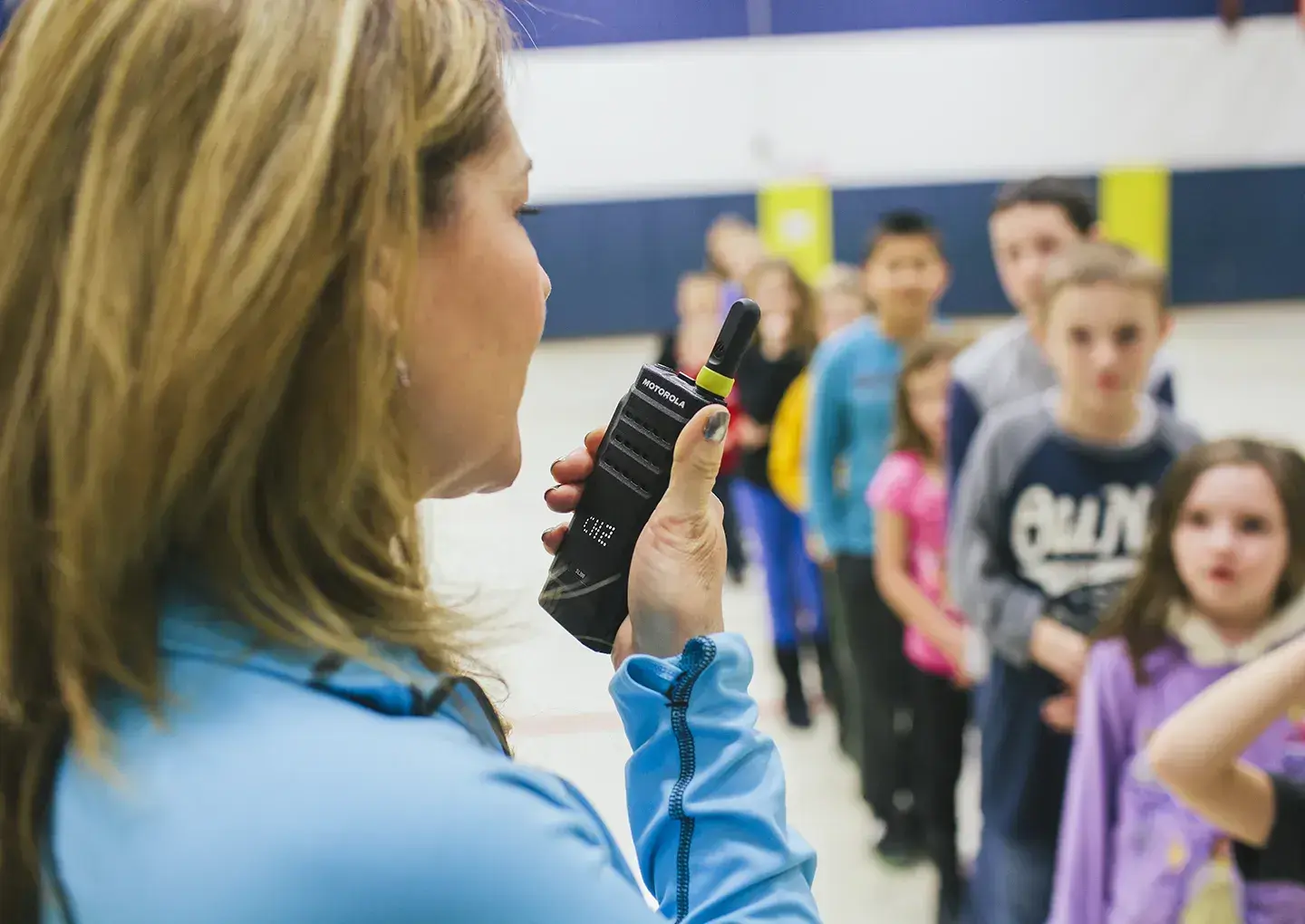
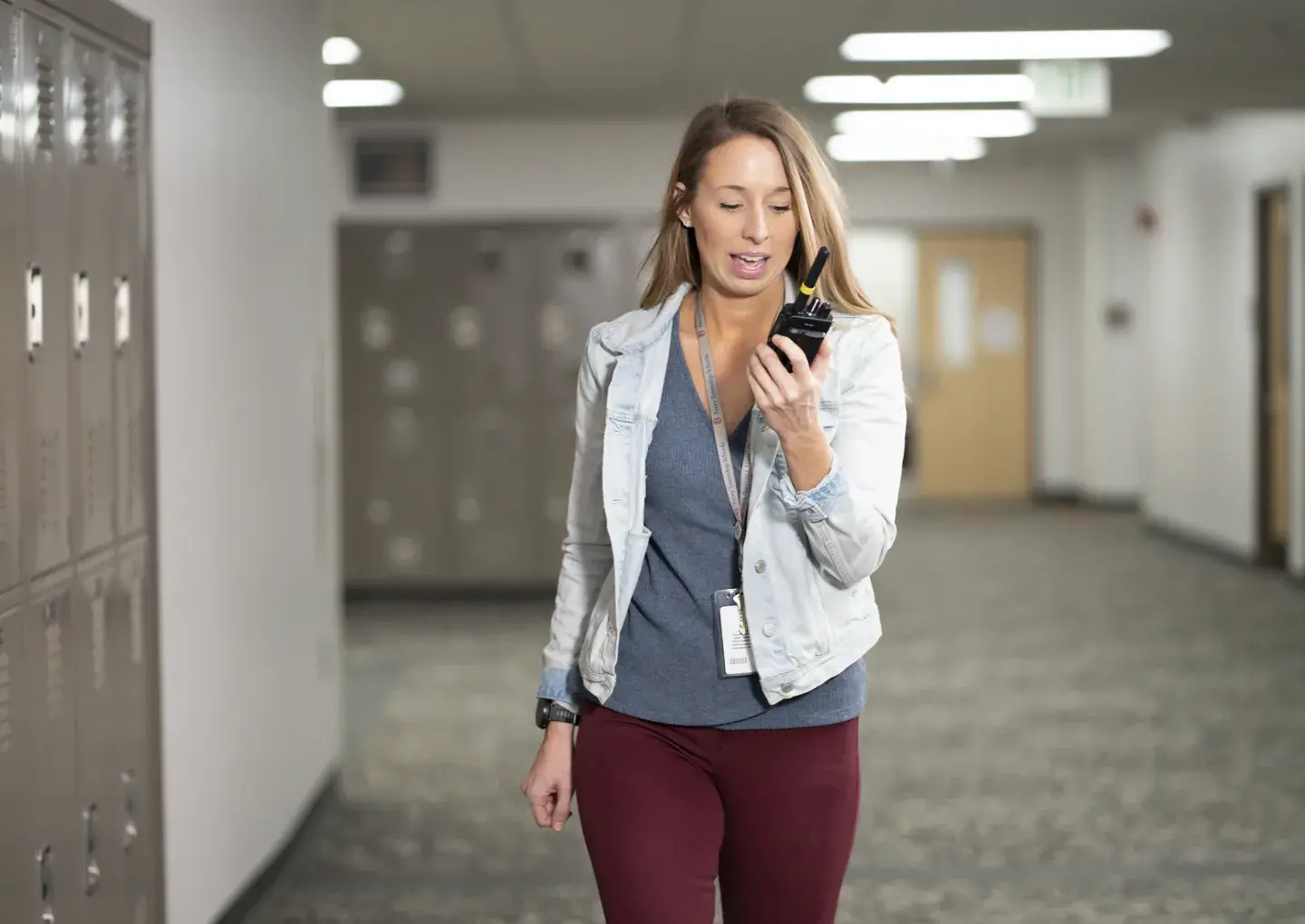
- A Motorola two-way radio equipped with a vibrating battery to signal incoming transmissions
- A direct connection from the radio to a mobile device
- AVA speech-to-text software translating audio into real-time text
This custom solution ensured that communication remained seamless, immediate, and reliable without requiring the employee to adapt to the system.
Instead, the system was built to support the employee.
The Result: Stronger Communication, Stronger Team Performance
With the solution in place, the technician is fully connected to the team and able to respond to issues in real time.
But the impact extends beyond a single role.
The facility gained:
- Improved operational continuity
- Faster response to maintenance issues
- A more inclusive and empowered workforce
- Confidence that communication works when it matters most
“The BAYCOM team has been extremely helpful bringing ideas and possible solutions to the table for us to try.” - Mark Weiss, Facility Maintenance Manager
Can your communication system support every member of your team?
Inclusive workplaces require communication systems that adapt to real-world needs.
Why This Matters: Communication Systems Should Adapt to Your Workforce
This case highlights a broader shift in how organizations think about communication.
Today’s workplaces are more dynamic and diverse than ever. That means communication systems must be flexible, integrated, and designed to support a wide range of real-world scenarios.
Organizations that invest in adaptable communication solutions are better positioned to:
- Support a diverse workforce
- Improve operational efficiency
- Reduce risk in high-pressure situations
- Create a more connected, responsive team
The BAYCOM Difference: Solutions That Work for People and Performance
What made this solution successful wasn’t just the technology, it was the approach.
The BAYCOM team took the time to understand the environment, the workflow, and the people involved. Then they engineered a solution that supports both performance and inclusion.
That’s the difference between selling equipment and delivering a mission-critical communication solution.
Let’s Make Sure Your Communication Works When It Matters
Every operation has unique challenges and opportunities to improve how teams connect and perform.
Schedule a Communication Needs Assessment with a BAYCOM solutions expert to identify gaps, improve reliability, and ensure your systems support your entire workforce.
Frequently Asked Questions: Communication Solutions for Deaf Employees
How can deaf employees use two-way radios?
Deaf employees can use two-way radios through adaptive technology such as vibrating alerts, visual indicators, and speech-to-text applications. These tools convert audio transmissions into readable text or physical notifications, ensuring real-time communication without relying on sound.
What is the best communication system for deaf employees in warehouses?
The best communication system combines multiple technologies, including two-way radios, mobile device integration, and speech-to-text software. This creates a real-time, reliable communication workflow that works effectively in loud, fast-paced warehouse environments.
Can speech-to-text technology be used in noisy work environments?
Yes, modern speech-to-text solutions are designed to function in high-noise environments. When paired with professional-grade communication devices like two-way radios, they can deliver accurate, real-time transcription that supports fast decision-making.
Why is inclusive communication technology important in industrial environments?
Inclusive communication technology ensures that all employees can stay connected, respond quickly, and perform their roles safely. It reduces risk, improves operational efficiency, and helps organizations build stronger, more resilient teams.
Do communication systems for deaf employees require a full system replacement?
Not necessarily. Many solutions can be integrated into existing communication systems, allowing organizations to enhance accessibility without a full rip-and-replace. A customized approach ensures the solution fits both the workforce and the environment.