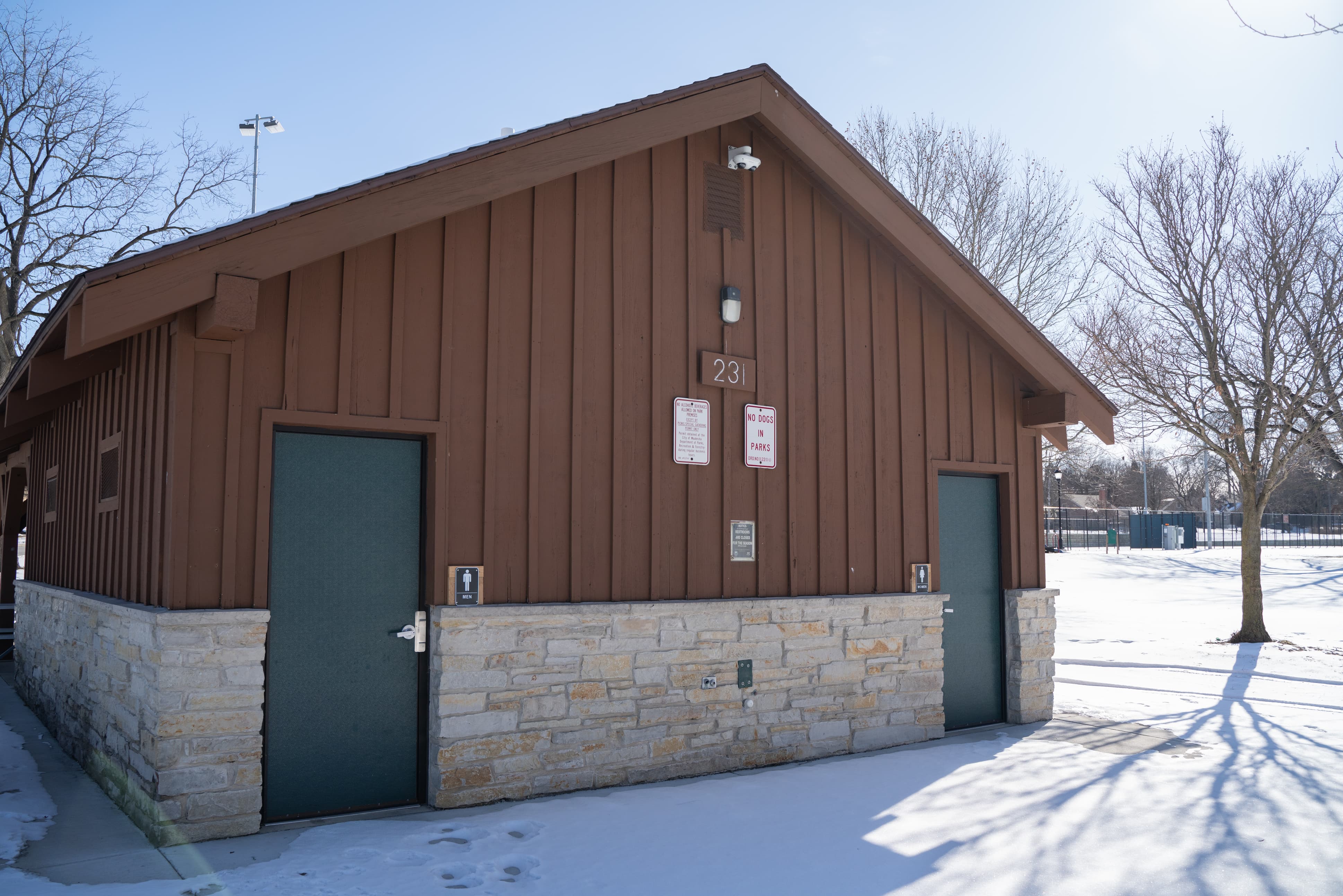
Security isn’t just about monitoring what’s happening. It’s about controlling who gets in, where they go, and when they can access it.
That’s where access control comes in and why it’s one of the most important pieces of a modern security strategy.
If you’re only relying on cameras, you’re seeing incidents after they happen. Access control helps prevent them in the first place.
What Is Access Control?
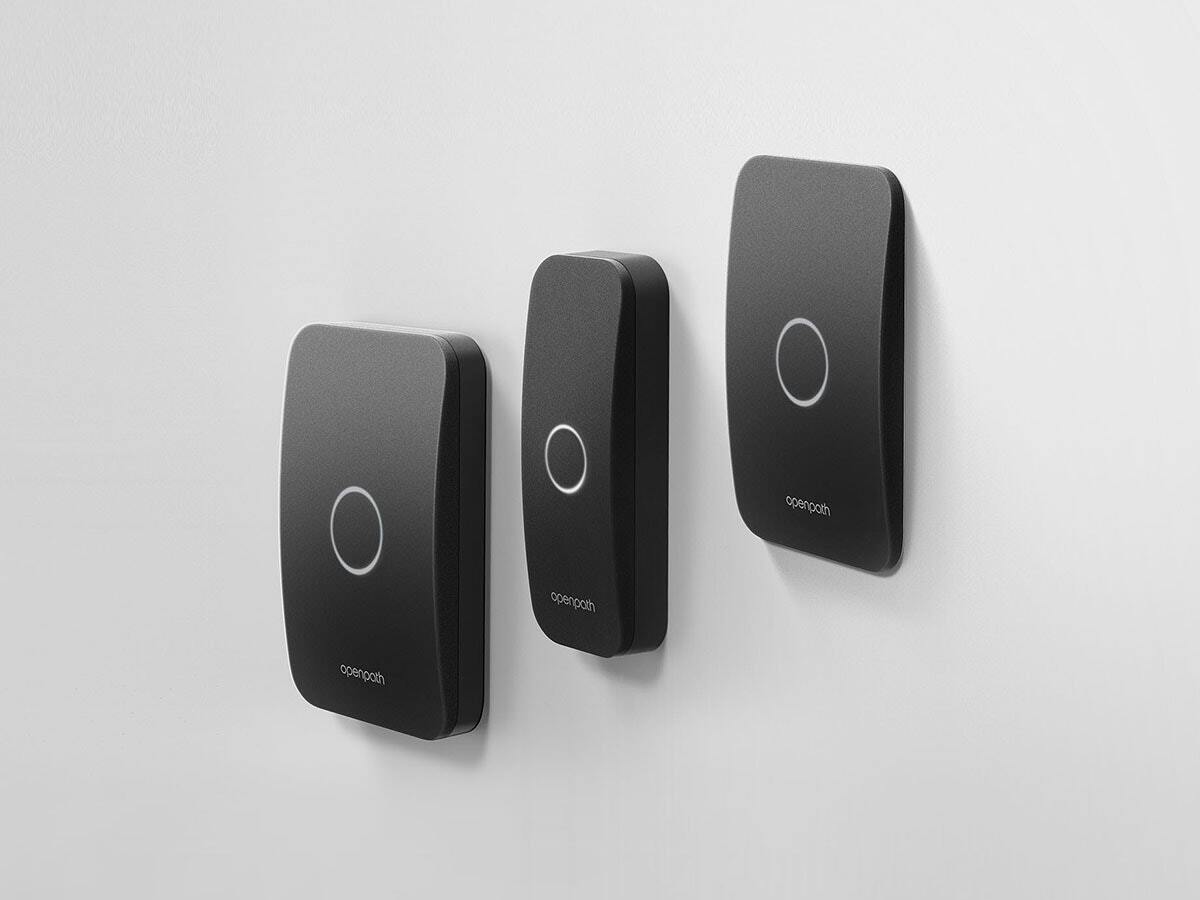
Access control systems manage and restrict entry to physical spaces such as doors, gates, elevators, offices, storage areas, and secure rooms. Instead of relying on traditional keys, organizations can use credentials like keycards, mobile access, PIN codes, or other authentication methods to determine who can enter specific areas.
When paired with video surveillance, analytics, and communication tools, access control becomes part of a larger integrated security ecosystem—giving your team both visibility and control.
When Should You Include Access Control?
1. When You Have Multiple Entry Points
If your facility has more than one way in or out, access control can help reduce risk by managing who is allowed through each entry point. Side doors, employee entrances, loading docks, parking areas, and after-hours access points all create opportunities for unauthorized entry if they are not properly secured.
2. When You Need Better Accountability
Access control creates a digital record of who accessed specific areas and when. This can be valuable for incident investigations, compliance needs, internal policies, and general facility oversight.
3. When You Manage Different User Groups
Employees, contractors, vendors, visitors, and temporary staff should not all have the same level of access. Access control allows organizations to create permission levels based on role, schedule, location, or responsibility.
4. When Your Organization Is Growing
As your organization expands, physical keys become harder to manage. Access control gives teams a more scalable way to add users, remove access, manage multiple locations, and adjust permissions as needs change.
5. When Emergency Response Matters
In a critical situation, seconds matter. Integrated access control systems can support faster response by helping teams lock down areas, verify activity, and coordinate with security personnel or first responders.
Where Should You Use Access Control?
Not every door needs access control, but the right locations absolutely should be considered. The goal is to protect the spaces that matter most without making daily operations harder than they need to be.
Main Entrances
Main entrances are your first line of defense. Access control can help manage employee entry, visitor flow, and after-hours access while creating a more secure front-door experience.
Employee-Only Areas
Staff offices, break rooms, operations centers, equipment rooms, and back-of-house spaces may need restricted access to keep unauthorized individuals out of internal work areas.
Sensitive or High-Value Areas
Some areas require stronger protection because of the people, property, equipment, or information inside. These may include IT rooms, server rooms, evidence storage, medication rooms, inventory areas, records offices, or financial spaces.
Exterior Access Points
Perimeter doors, gates, parking garages, loading docks, and fenced areas are often overlooked. Adding access control to these locations can help strengthen overall site security.
Multi-Building or Campus Environments
Schools, healthcare facilities, municipalities, senior living communities, manufacturers, and large enterprises often need to manage access across multiple buildings or locations. A centralized access control strategy can help keep security policies consistent.
The Power of Integrating Access Control with Video and Communications
Access control becomes even more powerful when it is connected to your larger security ecosystem.
When access control works alongside video surveillance, your team can verify who entered a space and what happened next. When paired with communication tools, alerts can be shared quickly with the right people. When connected to a command center or monitoring platform, your organization gains a clearer view of security activity across the facility.
This is where organizations move from separate tools to a more proactive security strategy.
Common Access Control Mistakes to Avoid
- Treating access control as a standalone system: It should support your broader security and response strategy.
- Only securing the front door: Side entrances, storage areas, and exterior points can create major gaps.
- Not planning for growth: Choose a system that can scale with users, doors, buildings, and locations.
- Overcomplicating access: Security should support operations, not slow your team down.
- Forgetting to update permissions: Access should be reviewed regularly as roles, employees, and vendors change.
Final Takeaway: Control Is the Missing Piece
If video surveillance shows you what happened, access control helps determine whether it should have happened in the first place.
The strongest security strategies combine visibility, control, and communication. Together, these systems help organizations protect people, secure spaces, and respond with confidence when it matters most.
Not Sure Where Access Control Fits?
Start with BAYCOM’s Find My Security Solution tool to explore the right security technologies for your facility, risks, and goals.
Whether you are securing one building or planning a larger integrated security strategy, BAYCOM can help design a solution that works for your environment.
Access Control FAQs
What is access control in security?
Access control is a security system that manages who can enter specific doors, rooms, buildings, or restricted areas. It helps organizations reduce unauthorized access, track entry activity, and better protect people, property, and sensitive spaces.
Where should access control be installed?
Access control should be considered for main entrances, employee-only areas, exterior doors, gates, parking areas, IT rooms, inventory spaces, records offices, medication rooms, evidence storage, and any area that requires restricted access.
When should a business add access control?
A business should add access control when it needs better security, more accountability, easier user management, stronger protection for sensitive areas, or a scalable way to manage access across multiple doors or locations.
How does access control work with video surveillance?
When access control is integrated with video surveillance, organizations can connect door activity with camera footage. This helps verify who entered a space, review incidents faster, and improve situational awareness.
Is access control only for large organizations?
No. Access control can benefit organizations of all sizes. Small businesses, schools, healthcare facilities, municipalities, senior living communities, manufacturers, and large enterprises can all use access control to improve security and manage entry more effectively.
Can access control help during emergencies?
Yes. Access control can support emergency response by helping teams lock down areas, restrict movement, verify activity, and coordinate response more quickly when integrated with video and communication systems.