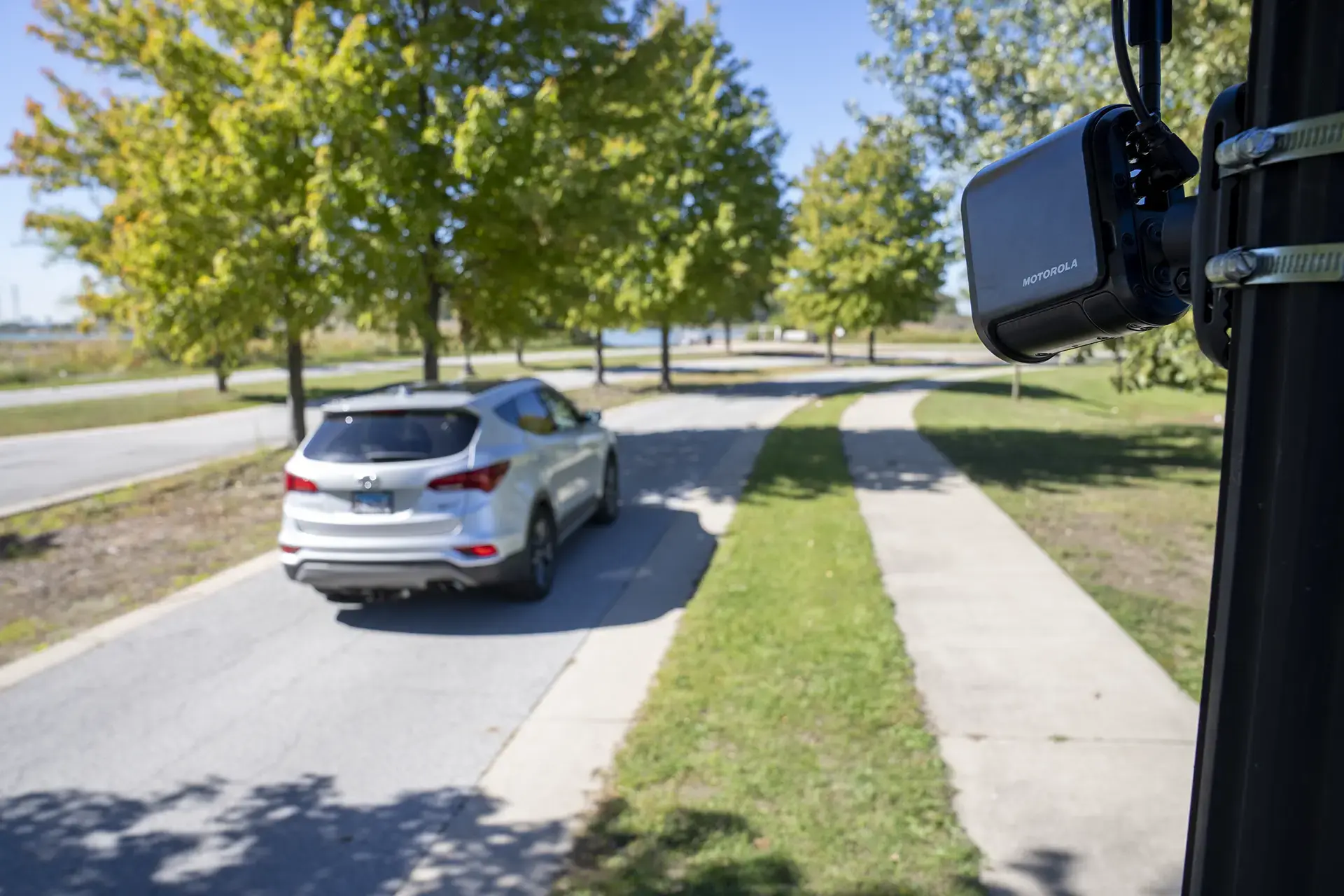
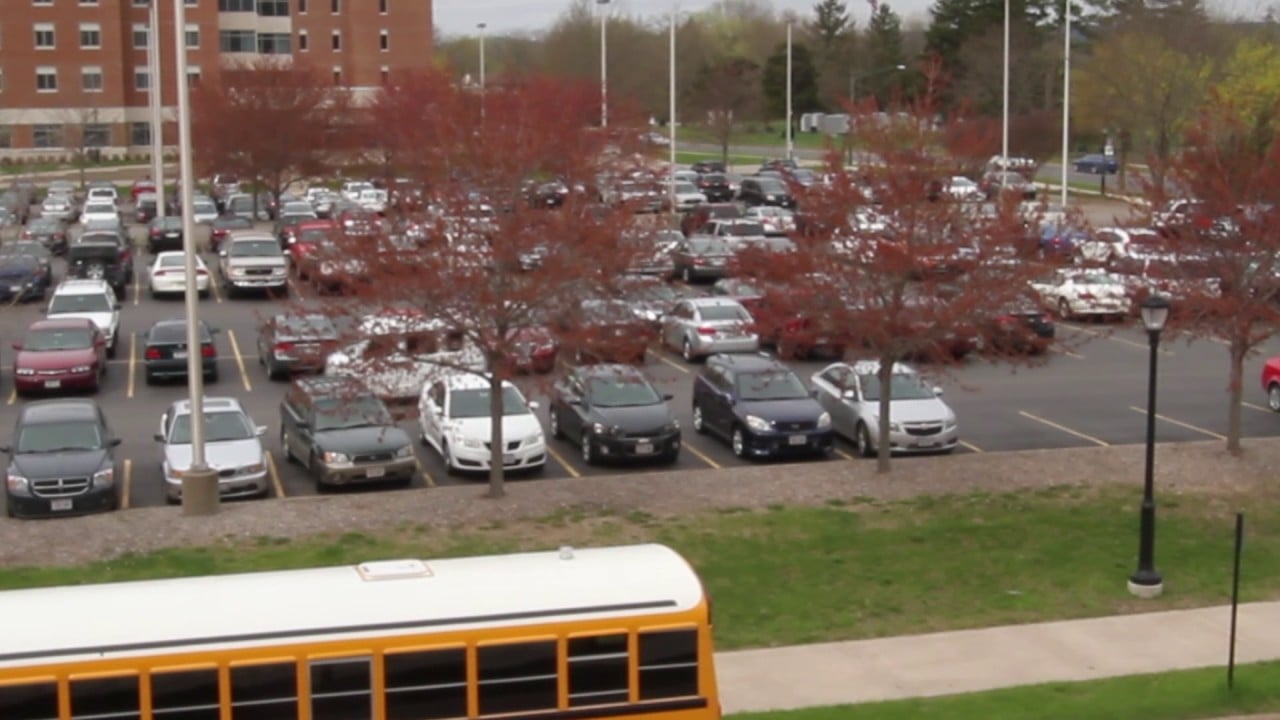
License plate recognition (LPR)—formerly known as automatic license plate recognition (ALPR)—is transforming how organizations manage security, control access, and monitor vehicle activity.
From law enforcement and municipalities to schools, healthcare campuses, utilities, transportation authorities, and commercial facilities, LPR technology helps teams move from reactive security to proactive awareness by delivering real-time vehicle data when it matters most.
But how does it actually work?
What Is License Plate Recognition (LPR)?
License Plate Recognition (LPR) is a technology that uses high-speed cameras and software to automatically capture, read, and process vehicle license plates.
You may have previously heard this referred to as Automatic License Plate Recognition (ALPR). While ALPR is still a recognizable term, the industry has largely shifted toward the simpler term LPR as the technology has evolved beyond automatic plate reading into broader, more integrated security applications.
Today’s LPR systems do more than identify plates. They turn vehicle activity into actionable intelligence that can trigger alerts, support investigations, automate access, and integrate with a broader security ecosystem.
At BAYCOM, LPR is part of a fully integrated approach—connecting vehicle recognition, video surveillance, access control, dispatch and command center software, and two-way radio alerts into one cohesive system.
How License Plate Recognition Systems Work
LPR systems may look simple on the surface, but behind the scenes, they combine advanced imaging, optical character recognition, analytics, and automation.
1. Specialized Cameras Capture Vehicle Data
LPR begins with purpose-built cameras designed to capture clear images of license plates in real-world conditions. These systems are built to read plates on moving or parked vehicles, during the day or night, and across challenging environments such as parking lots, facility entrances, roadways, campuses, and high-traffic areas.
Depending on the application, LPR cameras may be fixed, mobile, quick-deploy, or dual-purpose systems that support both plate capture and contextual video security.
2. The System Locates the License Plate
Once a vehicle enters the camera’s field of view, the software identifies the license plate within the image. This process prepares the plate for analysis by isolating it from the surrounding scene.
3. The Image Is Enhanced for Readability
The system then optimizes the image by adjusting factors like contrast, brightness, angle, glare, motion blur, and low-light conditions. This step helps improve plate readability, especially in environments where weather, headlights, speed, or shadows may impact visibility.
4. Optical Character Recognition Reads the Plate
Using optical character recognition, the system converts the license plate image into readable text. In real time, the letters and numbers on the plate become searchable data that can be stored, reviewed, and acted on.
5. Data Is Matched, Logged, and Shared
Once the plate is recognized, the system can compare that information against authorized vehicle lists, hot lists, watchlists, parking permissions, or other predefined criteria.
From there, the system can help teams:
- Receive real-time alerts for vehicles of interest
- Search vehicle history by plate, location, date, or time
- Track parking violations or lot occupancy
- Automate gate or access decisions
- Share vehicle intelligence across departments or agencies
- Support investigations with searchable vehicle data
Where LPR Systems Are Used
LPR is no longer limited to law enforcement. It is a valuable tool for any organization that needs better visibility into vehicle activity.
Law Enforcement and Public Safety
For law enforcement agencies, LPR can help identify vehicles of interest, support investigations, improve situational awareness, and coordinate response across multiple teams or agencies.
Parking Enforcement
LPR technology can simplify parking enforcement by helping organizations identify violations, monitor lot occupancy, support virtual permits, and improve overall parking operations.
Schools and Campuses
Schools, universities, and campuses can use LPR to monitor entrances, parking lots, and restricted areas while improving visibility into unauthorized or suspicious vehicle activity.
Commercial and Industrial Facilities
Manufacturing sites, utilities, warehouses, business parks, and transportation facilities can use LPR to track vehicle movement, verify fleet or vendor access, and strengthen perimeter security.
Healthcare and Senior Living Campuses
Healthcare and senior living facilities can use LPR to monitor visitor flow, secure parking areas, and support faster response when a vehicle-related incident occurs.
Why LPR Matters in Modern Security
Traditional security systems often depend on manual monitoring and after-the-fact review. LPR helps shift that process forward by giving teams real-time vehicle intelligence they can use immediately.
With the right LPR solution, organizations can improve:
- Speed: Identify and respond to vehicles of interest faster
- Accuracy: Reduce reliance on manual plate checks
- Visibility: Understand when and where vehicles are entering or moving across a property
- Efficiency: Streamline parking, access, and investigative workflows
- Integration: Connect LPR with video security, access control, dispatch, command center software, and radio alerts
LPR as Part of an Integrated Security Solution
On its own, LPR is powerful. But when it is integrated into a complete security ecosystem, it becomes even more impactful.
BAYCOM helps organizations connect LPR data with:
- Video security and access control
- Dispatch and command center technologies
- Motorola Solutions two-way radios
- Cloud or local data storage options
- Service and support through SystemGuard Service Agreements
This means vehicle data does not live in a silo. It can become part of a larger security strategy that helps teams act faster, communicate clearly, and stay connected across the entire operation.
What to Look for in an LPR System
Not all LPR systems are created equal. The right solution depends on your environment, goals, and how the system needs to integrate with your existing technology.
Key considerations include:
- Fixed, mobile, quick-deploy, or dual-purpose camera needs
- Performance in low light, high speed, and poor weather conditions
- Ability to capture plate, make, model, color, speed, or direction data
- Cloud vs. on-premise deployment preferences
- Integration with existing surveillance, access control, dispatch, or radio systems
- Search capabilities and reporting needs
- Data retention, access permissions, and policy requirements
- Long-term service and support
Explore BAYCOM’s LPR Products
BAYCOM offers a range of LPR solutions designed to support different environments, deployment needs, and security goals.
AutoVu™ SharpV - Genetec Fixed LPR
The AutoVu™ SharpV fixed LPR system is designed for standard and long-range applications, with embedded LPR, monochrome and color camera options, and an environmentally sealed IP67-rated enclosure.
L5F Fixed LPR System
The L5F Fixed LPR System captures vehicle data at high speeds and in low light. It supports flexible camera options, patented analytics, and complete data control.
L6Q Quick-Deploy LPR Camera System
The L6Q Quick-Deploy LPR Camera System is built for fast installation and adaptable use. It can collect plate, make, model, color, and speed data in low light and can adapt to different weather, security, and power needs.
L5M Mobile LPR Camera System
The L5M Mobile LPR Camera System is designed for on-the-move vehicle recognition. It captures license plate, make, and model data at high speeds and in low light, while in-car software supports real-time alerts, quick search, and more.
L6D Dual-Purpose LPR Camera
The L6D Dual-Purpose LPR Camera combines LPR and video security in a single camera. It provides livestream video for added context, supports situational awareness, and helps streamline investigations with AI search capabilities.
Explore BAYCOM’s LPR solutions
Ready to Find the Right LPR Solution?
License plate recognition is more than a camera. It is a smarter way to understand, search, and act on vehicle activity across your property, campus, community, or operation.
At BAYCOM, we do not take a one-size-fits-all approach. Our team helps you evaluate your environment, recommend the right LPR system, integrate it with your broader security technology, and support it long after deployment.
Whether you are looking to monitor parking lots, secure facility entrances, expand investigative reach, or connect vehicle data into your broader security ecosystem, BAYCOM can help design a solution that works.
View BAYCOM’s LPR products or find the right security solution for your environment.
Because when it matters most, it will work.
FAQs About License Plate Recognition Systems
What is a license plate recognition system?
A license plate recognition system uses cameras and software to automatically capture, read, and process vehicle license plates. The information is converted into searchable data that can support security, parking enforcement, access control, and investigations.
Is LPR the same as ALPR?
Yes. ALPR stands for Automatic License Plate Recognition and is the older, more technical term. Today, many organizations use the simpler term LPR to describe license plate recognition technology and its role in broader integrated security systems.
What can LPR detect besides license plates?
Depending on the system, modern LPR technology may also capture vehicle make, model, color, speed, direction of travel, and state of origin.
Can LPR work at night?
Yes. Many LPR systems are designed to capture vehicle data in low-light and nighttime conditions, making them useful for parking lots, roadways, facility entrances, and 24/7 security environments.
Can LPR integrate with video surveillance and access control?
Yes. LPR can integrate with video surveillance, access control, dispatch systems, command center software, and two-way radio alerts to create a more connected security ecosystem.
Who uses LPR systems?
LPR systems are used by law enforcement agencies, municipalities, schools, utilities, transportation authorities, healthcare campuses, parking operations, and commercial facilities that need better visibility into vehicle activity.